

Back Pain Treatment in Gahanna
If you deal with back pain, everyday activities like sitting at your desk, picking up your kids, or turning to check your blind spot can be challenging. Maybe the pain came on suddenly, or perhaps it’s been building for a while. Either way, you’d like to know what’s going on and what you can do about it.
At Keystone Chiropractic, we look beyond the painful area to understand how your spine, joints, and muscles work together.
Why Upper, Mid, and Lower Back Pain Are Connected
Your upper back supports your neck and shoulders, your mid back (thoracic spine) helps your torso rotate, and your lower back (lumbar spine) handles much of your everyday bending, lifting, and twisting.
Sometimes, where you feel pain isn’t where the problem begins. Limited hip movement, for example, may affect how other areas function. That’s why Dr. Nathan Lorenz, DC considers the body as a whole rather than focusing only on one sore spot.
The Daily Habits and Injuries That Affect Your Back
Back pain doesn’t always have a single cause. Several factors may be involved, including:
- Long hours sitting, driving, or looking down at a phone
- Poor posture or awkward lifting
- Repetitive movements at work or during exercise
- Car accidents, sports injuries, or previous strains
- Physical changes and shifting posture during pregnancy
Where You Feel It and What It May Mean
Upper back pain may feel like an ache between your shoulder blades, shoulder tightness, or stiffness that builds throughout the day.
Mid back pain can cause aching or tightness around the thoracic spine and ribs, sometimes worsening when you twist or reach.
Lower back pain often involves stiffness, muscle spasms, or discomfort when bending or sitting. Pain, tingling, or numbness extending into the buttocks or legs may be associated with sciatica.
Persistent or worsening symptoms, particularly after an injury, deserve evaluation. New bowel or bladder problems, significant weakness, or numbness around the groin require urgent medical attention.
Flexion-Distraction, Precise Adjustments, and Lighter-Touch Options
Your first visit begins with a health history and physical examination, with X-rays recommended when clinically indicated. We’ll explain our findings and discuss your care options.
For lower back discomfort, Dr. Nate frequently uses flexion-distraction, one of his preferred techniques. While you lie face down, a specially designed table moves gently to create a controlled, traction-like stretch through the lumbar spine.
He may also incorporate Gonstead or Diversified adjustments to address restricted spinal movement. For patients who prefer a lighter touch, he regularly uses the ArthroStim® and Activator Methods® instruments.
Depending on your needs, care may also include soft tissue work, massage therapy, cupping, dry needling, or rehabilitation exercises. You’ll receive stretches or exercises to work on mobility and strength at home.
Working Toward More Comfortable Movement
Our goal is to address movement restrictions and muscle tension that may be associated with your symptoms. Some patients notice improvements in stiffness or everyday mobility as care progresses, although results vary.
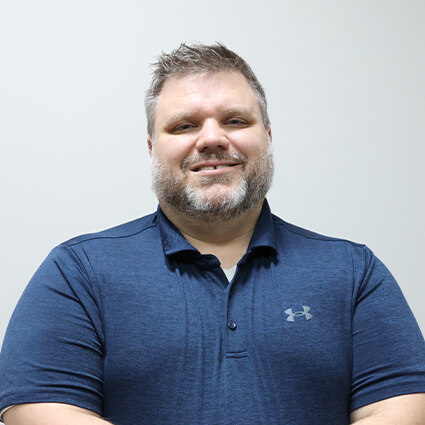
Experience That Shapes Your Care
Dr. Nate established Keystone Chiropractic in 2007 after earning his Doctor of Chiropractic degree from Palmer College of Chiropractic. His training includes Gonstead, Diversified, flexion-distraction, and Activator Methods. As a Certified Chiropractic Sports Physician® (CCSP®), he also brings experience evaluating the physical demands that can place strain on the back.
Frequently Asked Questions
How long does it take to feel relief?
What happens during my first visit?
Do I need a referral for chiropractic care?
Can chiropractic care help with sciatica or disc-related pain?
Take the Next Step Toward Easier Movement
Whether you’re dealing with upper back stiffness, mid back discomfort, or recurring lower back pain, we’re here to help you understand your options.
Contact Keystone Chiropractic to schedule an evaluation.
